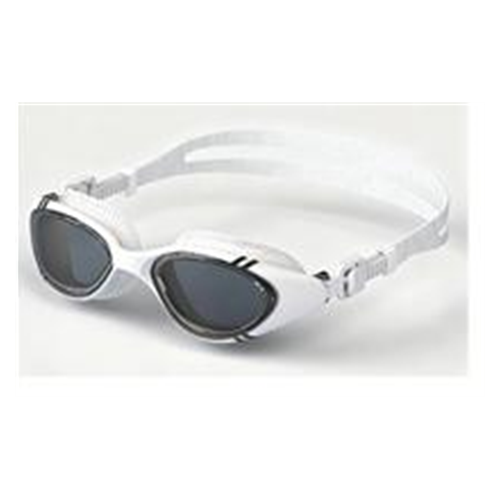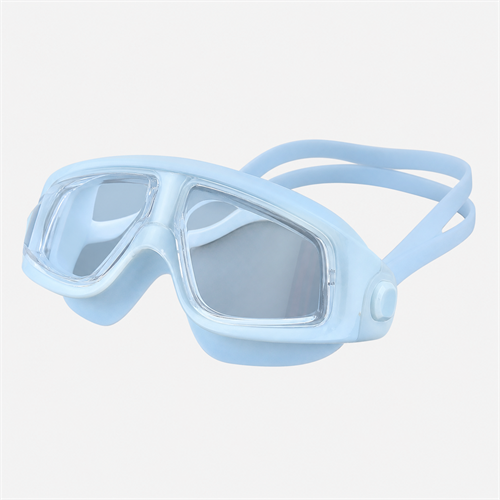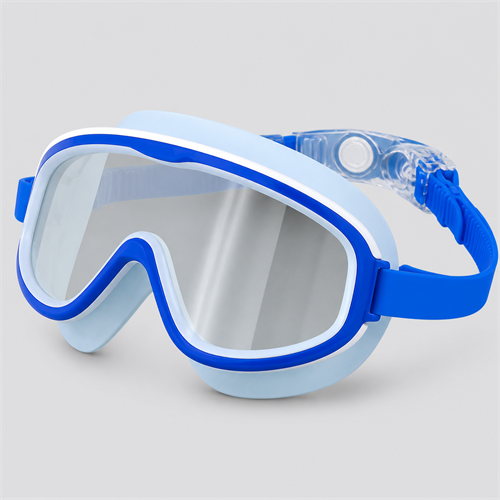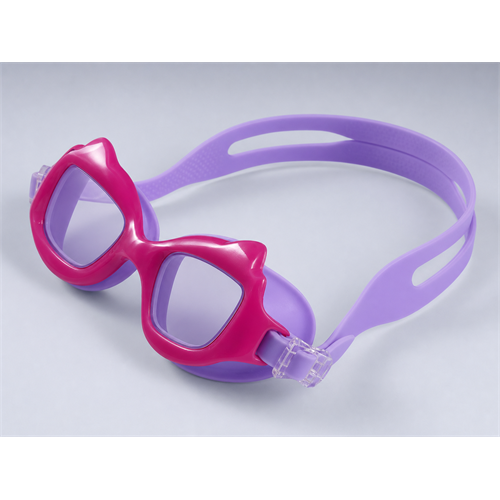
Choosing the right anti-fog swimming goggles for wholesale requires understanding both product quality and supplier reliability. The most important factors include anti-fog technology type, lens durability, fit options, and finding suppliers who offer competitive pricing with consistent quality control. Making the wrong choice can lead to customer complaints, returns, and lost sales.
Anti-fog performance stands as the core feature that separates basic goggles from products customers will buy again. Different anti-fog treatments work better for specific uses, and not all wholesale suppliers offer the same quality standards. Retailers and distributors need to know what separates effective anti-fog coatings from ones that fail after a few uses.
This guide covers the technical details, supplier evaluation methods, and practical considerations for wholesale buyers. From understanding coating technologies to negotiating volume discounts, each section provides actionable information for making informed purchasing decisions.
Understanding Anti-Fog Technologies
Anti-fog technologies work by managing moisture on the lens surface to prevent condensation from blocking a swimmer’s vision. The coating type and treatment duration determine how well goggles perform in humid environments and during extended use.
Types of Anti-Fog Coatings
Hydrophilic coatings absorb moisture and spread it into a thin, transparent layer across the lens surface. This technology prevents water droplets from forming and blocking vision. The coating attracts water molecules and distributes them evenly.
Hydrophobic coatings work differently by repelling water. These coatings cause water to bead up and roll off the lens surface quickly. Some manufacturers combine both technologies to maximize fog resistance.
Chemical-based treatments use special compounds applied directly to the lens. These treatments create a barrier between the lens and moisture in the air. The effectiveness depends on the quality of chemicals used and application method.
Some goggles feature dual-pane lenses with an air gap between two layers. This design reduces temperature differences that cause fogging, similar to double-pane windows in buildings.
Permanent vs. Temporary Treatments
Permanent anti-fog treatments are built into the lens during manufacturing. These coatings are bonded to the lens material at a molecular level and last for the lifetime of the goggles. They resist rubbing and don’t wash away with normal use.
Temporary treatments require regular reapplication to maintain effectiveness. Spray-on solutions and wipes provide short-term fog protection that lasts several swimming sessions. Swimmers need to reapply these treatments every few days or weeks.
Factory-applied coatings typically last 6-12 months with proper care. Touching the inside of the lens or using harsh cleaners degrades these coatings faster. Temporary solutions cost less initially but require ongoing purchases.
Recent Innovations in Lens Clarity
Advanced nano-coating technology uses microscopic particles to create ultra-thin protective layers. These coatings are more durable than traditional treatments and maintain clarity longer. The nano-particles fill in microscopic scratches that can trap moisture.
Electrostatic treatments use electrical charges to prevent fog formation. This newer technology is still being refined for commercial swimming goggles. Some high-end models now include this feature.
Self-regenerating coatings represent the latest development in anti-fog technology. These treatments use materials that reform themselves after exposure to water, extending the effective lifespan of the coating.
Assessing Wholesale Supplier Credentials
Checking a supplier’s reputation, safety compliance, and quality certifications protects buyers from defective products, legal issues, and customer complaints. These three areas reveal whether a wholesale partner meets professional standards for anti-fog swimming goggles.
Reputation and Reviews
A supplier’s track record shows how they handle orders, product quality, and customer service. Buyers should check online reviews on B2B platforms, industry forums, and third-party verification sites.
Look for patterns in feedback rather than isolated complaints. Consistent issues with delayed shipments, poor communication, or defective anti-fog coatings signal unreliable partners.
Request references from current clients in similar markets. Contact these buyers directly to ask about order accuracy, return rates, and how the supplier resolves problems. Established suppliers willingly provide this information.
Check how long the supplier has operated in the swimming goggles market. Companies with five or more years of experience typically have refined their manufacturing processes and quality control systems. New suppliers may offer lower prices but carry higher risk.
Compliance With Safety Standards
Anti-fog swimming goggles must meet safety regulations in target markets. In the United States, goggles should comply with ASTM F1920 for recreational eye protection. European markets require CE marking under EN 166 standards.
Ask suppliers for documentation proving compliance with relevant standards. Legitimate manufacturers maintain these certificates and update them regularly. Missing or expired documents indicate potential safety issues.
Verify that lens materials are free from harmful chemicals. Polycarbonate and silicone components should meet FDA or EU material safety requirements. Some markets ban specific plasticizers or coating chemicals.
Request test reports from accredited laboratories. Suppliers should provide documentation showing impact resistance, UV protection levels, and chemical safety testing for anti-fog treatments.
Certifications and Quality Testing
ISO 9001 certification demonstrates that a supplier follows standardized quality management processes. This certification ensures consistent production standards across all batches of anti-fog goggles.
Look for suppliers with ISO 13485 if goggles include medical-grade materials. Factory audits from organizations like SGS, Bureau Veritas, or Intertek provide independent verification of manufacturing conditions.
Request samples before placing bulk orders. Test the anti-fog coating durability by exposing goggles to hot water, chlorinated water, and temperature changes. Quality coatings should last at least 50 swim sessions.
Ask about the supplier’s defect rate and return policy. Professional manufacturers track quality metrics and maintain defect rates below 2%. They should offer clear terms for returning products that fail quality standards.
Evaluating Lens Materials and Construction
Lens materials determine clarity, safety, and long-term performance in anti-fog swimming goggles. The choice between polycarbonate and alternative materials affects both durability and visual precision.
Polycarbonate Versus Other Materials
Polycarbonate dominates the swimming goggle market for good reasons. This material resists shattering and provides clear underwater vision without adding excessive weight. Most wholesale manufacturers use polycarbonate because it handles chlorine exposure better than acrylic alternatives.
Acrylic lenses offer a lower-cost option but scratch more easily. They also become brittle over time when exposed to pool chemicals. Tempered glass appears in some premium models, providing superior scratch resistance and optical clarity. However, glass adds weight and breaks more easily during impacts.
Polycarbonate strikes the best balance for wholesale orders. It meets safety standards while keeping production costs reasonable. Buyers should verify that suppliers use athletic-grade polycarbonate rather than lower-quality plastics that yellow or cloud after limited use.
Durability and Impact Resistance
Impact resistance matters for both recreational and competitive swimmers. Quality goggles withstand accidental drops, kicks in crowded pools, and rough handling in gym bags. Polycarbonate lenses flex without cracking when struck, which prevents injuries from sharp edges.
Wholesale buyers should request impact test certifications from manufacturers. Look for products that meet ISO standards for protective eyewear. Thicker lenses provide more protection but may reduce peripheral vision.
The frame construction also affects durability. One-piece molded frames distribute stress better than multi-component designs. Check how the lens attaches to the gasket—poor bonding leads to leaks and lens separation after repeated use.
Optical Quality Considerations
Clear vision depends on lens uniformity and distortion control. Manufacturing defects like air bubbles or uneven thickness create blind spots or wavy images underwater. Premium lenses undergo quality inspections to eliminate these flaws.
Light transmission rates vary between tinted and clear lenses. Clear lenses allow 85-95% light transmission for indoor pools. Tinted options reduce this to 15-40% for outdoor swimming. Anti-fog coatings should not compromise optical clarity or create hazy spots.
Buyers should test samples in actual swimming conditions. Poor optical quality causes eye strain and headaches during extended wear. Request technical specifications showing light transmission percentages and distortion measurements before placing large wholesale orders.
Fit and Comfort Considerations for Bulk Orders
The right fit prevents leaks and eye irritation, while comfort features determine whether customers will use the goggles repeatedly. Gasket materials, strap adjustability, and nose bridge options directly impact user satisfaction across different face shapes and ages.
Gasket Material Types
Silicone gaskets offer the best combination of durability and comfort for most wholesale orders. This material creates a soft seal against the eye socket without causing pressure marks or irritation during extended wear. Silicone resists degradation from chlorine and saltwater better than rubber alternatives.
TPR (thermoplastic rubber) gaskets provide a budget-friendly option for recreational goggles. They work well for casual swimmers but break down faster in chemically treated pools. Some manufacturers use dual-density silicone that combines a firmer outer ring with a softer inner seal for improved comfort.
The gasket thickness matters for different customer segments. Thicker gaskets suit beginners who need extra cushioning, while competitive swimmers prefer thinner profiles that reduce drag. Testing multiple gasket types helps identify which options work best for target markets.
Adjustable Strap Mechanisms
Quick-adjust clips allow users to tighten or loosen straps without removing the goggles. These mechanisms typically use a push-button or slide system that works even with wet hands. Wholesale buyers should verify that adjustment mechanisms stay secure during diving and flip turns.
Split strap designs distribute pressure more evenly across the back of the head than single straps. The Y-shaped or V-shaped configuration prevents slipping and reduces headaches during long swimming sessions. Standard strap widths range from 10mm for youth goggles to 16mm for adult models.
Common Strap Features:
- Non-slip textures or ridges
- Interchangeable strap lengths
- Latex-free materials for sensitive users
- Double-layer construction for added strength
Nose Bridge Designs
Interchangeable nose bridges accommodate different face widths and nose shapes within a single goggle model. Most systems include three to five bridge sizes that snap or clip into place. This flexibility reduces inventory complexity while serving diverse customer bases.
Fixed nose bridges lower manufacturing costs but require stocking multiple goggle sizes. Soft silicone bridges conform better to facial contours than rigid plastic versions. The bridge width affects how far apart the eye cups sit, which impacts both comfort and peripheral vision.
Nose bridges should not pinch or create pressure points on the bridge of the nose. Youth goggles need smaller, more flexible bridges than adult models. Some designs use adjustable bridge systems with incremental sizing rather than discrete pieces.
Customization and Branding Options
Custom branding transforms generic swim goggles into distinctive products that build brand recognition and customer loyalty. Wholesalers can choose from multiple customization methods and product variations to match their market positioning.
Logo Printing and Packaging
Logo placement on swim goggles typically includes the strap, lens frame, or temple arms. Silicone straps accept screen printing, pad printing, or embossing techniques. Each method offers different durability levels and visual effects.
Screen printing works well for simple logos with one or two colors. It provides a durable finish that withstands chlorine and saltwater exposure. Pad printing handles more complex designs with multiple colors and smaller details.
Custom packaging adds another branding touchpoint. Options range from basic poly bags with branded headers to premium boxes with product inserts. Minimum order quantities for custom packaging usually start at 500-1000 units. Some manufacturers offer branded cases or pouches that swimmers can reuse.
The production timeline for logo printing typically takes 2-4 weeks after sample approval. Wholesalers should request physical samples before committing to full production runs.
Color and Size Variations
Anti-fog goggles come in standard adult and youth sizes, with some manufacturers offering adjustable bridge pieces for different face shapes. Adult goggles fit ages 15 and up, while youth models suit ages 7-15.
Frame and strap colors range from neutral blacks and whites to bright neons and pastels. Lens options include clear, smoke, mirrored, and tinted variations. Wholesalers can mix colors within their order to test market preferences.
Most suppliers require minimum order quantities of 20-100 pieces per color combination. Larger orders of 500+ units typically unlock better pricing and more flexible color mixing. Some manufacturers stock popular color combinations for faster delivery.
Comparing Price Points and Volume Discounts
Wholesale swimming goggle prices typically range from $1.50 to $8.00 per unit depending on quality and features. Understanding how pricing scales with order volume helps buyers maximize their profit margins while maintaining product quality standards.
Balancing Cost and Value
Budget-friendly anti-fog goggles start around $1.50 to $2.50 per unit for basic models with standard anti-fog coatings. Mid-range options with UV protection and better seal quality cost between $3.00 and $5.00 per unit. Premium goggles with advanced features like replaceable nose bridges and long-lasting anti-fog treatments range from $5.50 to $8.00 per unit.
The minimum order quantity directly affects unit pricing. Orders of 500-1,000 units typically receive 10-15% off standard wholesale prices. Buyers ordering 2,000-5,000 units often see discounts of 20-25%. Orders exceeding 10,000 units can secure discounts of 30% or more.
Quality indicators justify higher price points. CE-certified goggles meet safety standards that protect buyers from liability issues. Silicone gaskets last longer than cheaper rubber alternatives. Multiple-layer anti-fog coatings outperform single-layer treatments by several months of use.
Flexible Payment Terms
Standard payment terms for wholesale goggle orders include 30% deposit with 70% due before shipment. Established buyers with good payment history can negotiate net-30 or net-60 terms after the first few successful transactions.
Letter of credit options provide security for large orders over $10,000. This payment method protects both parties but adds banking fees of 1-3% to the transaction cost. Trade assurance programs through B2B platforms offer dispute resolution services for orders between $1,000 and $50,000.
Seasonal payment plans help retailers manage cash flow during slower months. Some suppliers offer extended terms during off-peak periods from September through February. Early payment discounts of 2-5% incentivize buyers to pay invoices within 10-15 days of delivery.
Shipping, Delivery, and After-Sales Support
Reliable logistics and solid after-sales support protect wholesale investments and maintain healthy customer relationships. Buyers should evaluate supplier capabilities in delivery timelines, protective policies, and responsive communication before committing to large orders.
Lead Time Estimates
Standard production lead times for anti-fog swimming goggles typically range from 15 to 45 days depending on order volume and customization requirements. Stock items from established suppliers often ship within 7 to 14 days, while custom logo printing or specialized lens treatments add 10 to 20 days to the timeline.
Buyers need clear written confirmation of production schedules before placing orders. Peak seasons from March through July can extend lead times by 1 to 2 weeks due to increased demand from swim clubs and retail chains.
Shipping methods affect total delivery time significantly. Sea freight takes 20 to 40 days but costs less for bulk orders over 5,000 units. Air freight delivers in 5 to 10 days but increases per-unit costs substantially. Express courier services complete delivery in 3 to 7 days for smaller test orders or urgent restocks.
Return Policies and Warranty
Wholesale suppliers should offer defect rates below 2% with clear policies covering manufacturing flaws. Standard warranty periods range from 6 to 12 months from delivery date, protecting against seal failures, strap degradation, and anti-fog coating defects.
Return windows for defective products typically span 30 to 90 days after receipt. Suppliers often require photo evidence and batch numbers before approving returns or replacements.
Quality suppliers provide replacement units rather than refunds for confirmed defects to maintain business continuity. Some manufacturers offer partial refunds of 30% to 50% for minor cosmetic issues that don’t affect performance.
Customer Service Responsiveness
Response time to inquiries indicates supplier reliability and operational capacity. Professional wholesalers reply to initial contact within 24 hours with detailed quotes and product specifications.
Dedicated account managers improve communication for orders exceeding 2,000 units or ongoing partnerships. Multi-channel support through email, messaging apps, and phone calls ensures accessibility across time zones.
Suppliers should provide tracking information within 48 hours of shipment and proactive updates about production delays or quality issues. Post-delivery follow-up within 1 week demonstrates commitment to customer satisfaction and facilitates feedback collection.
Environmental and Sustainability Factors
Wholesale buyers now face increasing pressure to source swimming goggles that meet environmental standards and reduce waste. Materials and packaging choices directly impact both regulatory compliance and consumer purchasing decisions.
Eco-Friendly Materials
Recycled polycarbonate lenses offer a proven alternative to virgin plastic materials. These lenses maintain the same optical clarity and impact resistance as traditional options while reducing environmental impact by up to 40% according to recent life cycle assessments.
Sustainable frame materials include bio-based plastics derived from castor oil or recycled ocean plastics. These materials meet the same durability standards as conventional silicone and TPR compounds. Buyers should verify supplier certifications such as Global Recycled Standard (GRS) or OEKO-TEX to confirm material authenticity.
Key material considerations:
- Polycarbonate content: Minimum 30% recycled content reduces carbon footprint
- Silicone straps: Food-grade silicone lasts longer and breaks down more safely
- Manufacturing waste: Suppliers with closed-loop systems minimize production waste
Materials labeled as biodegradable require specific conditions to decompose properly. Standard biodegradable plastics will not break down in ocean environments or typical landfills.
Recyclable Packaging Solutions
Minimal packaging designs reduce material waste without compromising product protection during shipping. Single-material packaging systems allow easier sorting at recycling facilities compared to mixed-material alternatives.
Cardboard hangers and paper-based boxes replace plastic clamshells effectively for retail display. FSC-certified cardboard ensures responsible forest management practices. Buyers ordering bulk quantities should request packaging without individual retail boxes to eliminate unnecessary layers.
Packaging options ranked by sustainability:
- Paper bands with cardboard outer boxes
- Recyclable PET display containers
- Minimal plastic with recycled content above 50%
- Traditional blister packs (least sustainable)
Print materials should use soy-based or water-based inks rather than petroleum-based alternatives. Instructions printed directly on packaging eliminate separate paper inserts.