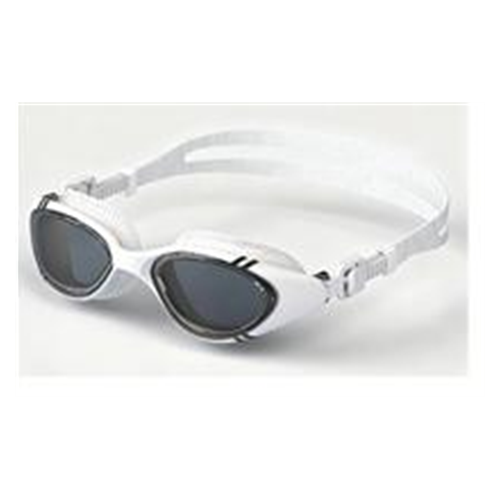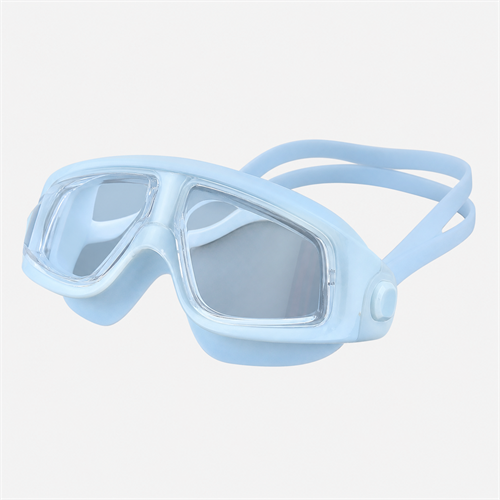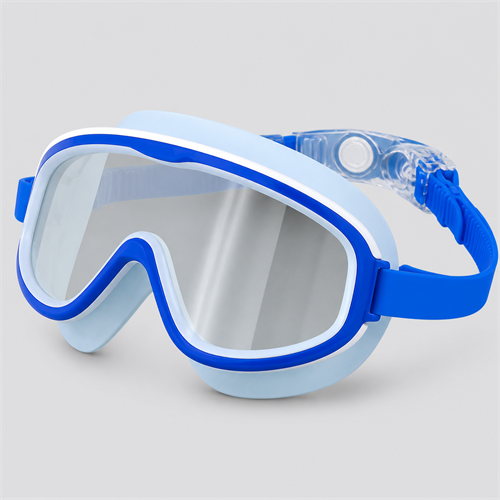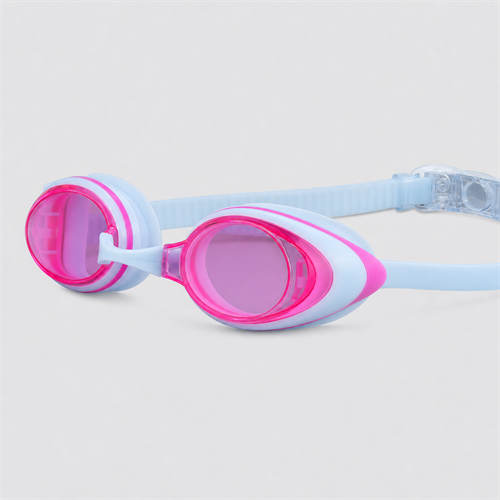
Finding the right kids’ swimming goggles to stock requires more than picking colorful designs. Retail buyers need to compare lens quality, fit systems, safety certifications, size ranges, and supplier terms to ensure they offer products that parents trust and children actually want to wear. The difference between goggles that sit on shelves and those that sell consistently comes down to understanding what makes a pair functional, safe, and appealing.
Parents look for goggles that don’t leak, fog up, or pull hair. Children care about comfort and how the goggles look. Retailers need to balance these demands while considering purchase costs, inventory variety, and return policies. The market offers everything from budget options for casual swimmers to specialized pairs for young athletes.
This guide covers the technical features, safety requirements, and business considerations that matter when selecting kids’ swimming goggles for retail. From anti-fog coatings and adjustable straps to bulk pricing and warranty support, each factor plays a role in choosing products that meet customer needs and support profitable sales.
Key Lens Features
The lens determines how well young swimmers see underwater and how long the goggles remain functional. Retail buyers should evaluate material quality, protective coatings, shape design, and tint variations when selecting inventory.
Material and Durability
Polycarbonate lenses are the standard for kids’ swimming goggles because they resist shattering upon impact. This material protects young swimmers during pool play and competitive events. Some manufacturers use acrylic lenses in budget models, but these scratch more easily and may crack under stress.
Shatter-resistant properties matter most for children who might accidentally step on goggles or collide with pool walls. The lens thickness affects both durability and weight. Thicker lenses last longer but add pressure around the eyes. Quality goggles balance these factors with lenses between 2-3mm thick.
Scratch-resistant treatments extend the life of polycarbonate lenses. Without this coating, even minor abrasions blur underwater vision within weeks of regular use.
UV Protection and Anti-Fog Coatings
UV protection shields eyes from sun damage during outdoor swimming at beaches, lakes, and outdoor pools. Quality goggles block 100% of UVA and UVB rays. This feature prevents both immediate discomfort and long-term eye problems in young swimmers.
Anti-fog coatings keep lenses clear during practice and competitions. Permanent coatings bond to the lens during manufacturing and last longer than spray-on treatments. Temporary anti-fog coatings wear off after 20-30 uses and require reapplication.
Kids often touch the inside of lenses, which degrades anti-fog treatments quickly. Retail buyers should stock goggles with durable coatings that withstand handling. Some models feature hydrophilic technology that absorbs moisture instead of traditional anti-fog chemicals.
Lens Shape and Visibility
Low-profile racing goggles reduce drag but limit peripheral vision. These work for competitive swimmers who need speed. Larger curved lenses provide wider viewing angles, helping beginners track instructors and stay aware of their surroundings.
The distance between lenses affects comfort and vision. Closely spaced lenses suit narrow faces but create tunnel vision. Wider spacing improves side-to-side visibility for open water swimming and group lessons.
Wraparound designs extend vision to the sides without adding bulk. This shape works well for active kids who need to see in multiple directions during games and drills.
Tint Options for Various Environments
Clear lenses work best for indoor pools and low-light conditions. They transmit maximum light and help swimmers see clearly during early morning or evening sessions. Most recreational swimmers only need clear lenses.
Smoke or gray tints reduce glare in outdoor settings without distorting colors. These suit bright sunny days at outdoor pools and beaches. Mirrored coatings reflect additional light and provide the strongest glare reduction for intense sun exposure.
Blue and green tints enhance contrast in water, making it easier to spot lane lines and pool edges. Amber or yellow tints brighten vision in cloudy conditions or shaded areas. Retail buyers should stock primarily clear lenses with a smaller selection of smoke-tinted options for outdoor swimmers.
Frame and Comfort Considerations
The frame material and design directly affect how long children will tolerate wearing goggles during swim sessions. Retail buyers should prioritize soft materials, age-appropriate sizing, and adjustable bridge options to reduce returns and increase customer satisfaction.
Softness and Flexibility
Silicone frames provide the most comfortable option for children’s swim goggles. This material compresses gently against the face without creating pressure points that lead to marks or discomfort. Hard plastic frames often cause irritation around the eye sockets, especially during longer swimming sessions.
The gasket area requires special attention. Soft silicone gaskets create a watertight seal while distributing pressure evenly around the eyes. Materials that are too rigid can dig into sensitive skin and discourage children from wearing the goggles properly.
Frame flexibility matters for durability and comfort. Frames that bend slightly accommodate different facial structures and movements without breaking. Rigid materials may fit well initially but can crack under stress or fail to adapt as children adjust the goggles during use.
Ergonomic Fit for Different Age Groups
Children aged 3-6 need smaller frames with wider gaskets to accommodate developing facial structures. These younger swimmers typically have flatter nose bridges and rounder faces that require different proportions than older children’s goggles.
Ages 7-10 transition to medium-sized frames with more defined contours. The eye sockets become more pronounced during this stage, requiring frames that sit deeper while maintaining comfort. Standard adult goggles rarely work for this age group despite marketing claims of universal fit.
Older children aged 11-14 often fit into youth-specific or small adult models. Their facial features more closely resemble adult proportions, but they still need lighter frames and softer materials than full adult goggles provide.
Bridge Design and Adjustability
Fixed bridges limit the number of face shapes that can achieve a proper seal. Interchangeable nose bridges allow one goggle model to fit multiple facial structures, reducing inventory complexity for retailers while improving fit success rates.
Bridge pieces typically come in three to five sizes within a kit. The smallest bridges suit narrow faces and younger children, while larger options accommodate wider-set eyes. Buyers should verify that replacement bridges are included rather than sold separately.
Quick-adjust bridge systems enable children to modify fit without removing the goggles. Button-release or slide mechanisms work better than designs requiring complete disassembly. Easy adjustment reduces frustration during swim lessons when children need to fix their goggles quickly between activities.
Strap Systems and Ease of Use
The strap system determines how quickly a child can put on goggles independently and whether they stay in place during active swimming. Retail buyers should prioritize designs that balance simple adjustment with secure holding power.
Adjustability Mechanisms
Split strap designs with side clips offer better stability than single-strap models for most children. The clips allow parents or swim instructors to adjust each side independently to match the child’s head shape. This prevents the goggles from tilting or shifting during swimming.
Dial-adjustment systems provide the easiest user experience for children ages 6 and up. These mechanisms let kids tighten or loosen the strap with one hand by turning a dial at the back. They eliminate the fumbling associated with traditional buckle systems.
Traditional slide buckles remain common but require more dexterity. Children under 7 often struggle to adjust these buckles themselves. The small tabs can be difficult for wet fingers to grip, especially for younger swimmers.
Fabric-covered straps resist tangling better than bare silicone or rubber straps. The fabric also reduces hair pulling, which matters for children with longer hair. Some models feature wide straps that distribute pressure more evenly across the head.
Quick-Release Buckles
One-button release mechanisms allow children to remove goggles without adult help. This independence matters during swim lessons when instructors work with multiple students at once.
Push-button releases positioned at the temple work better than back-mounted releases for children ages 3 to 8. Kids can reach the side buttons more easily and see what they’re doing. Back releases require children to reach behind their head, which can be awkward.
Dual-release systems require pressing two buttons simultaneously to remove the goggles. These prevent accidental detachment but can frustrate younger children who lack the coordination to press both buttons at once.
Security During Swim
Double-strap designs reduce slippage during diving and jumping. The split configuration distributes force across two points instead of one. This matters for active swimmers who do flip turns or underwater swimming.
Silicone straps grip better when wet compared to rubber alternatives. The material maintains consistent tension even after exposure to chlorine and saltwater. Straps should have at least three adjustment positions to accommodate head sizes from toddler through early teen years.
Anti-slip backing on the strap interior prevents the goggles from riding up during backstroke or freestyle. Textured silicone patterns work better than smooth surfaces for maintaining position during vigorous swimming activities.
Safety and Certification Standards
Retail buyers need to verify that children’s swimming goggles meet specific safety requirements for materials, structural integrity, and regulatory compliance. These standards protect young swimmers from chemical exposure, injury from breakage, and substandard manufacturing practices.
Non-Toxic Materials
Children’s swimming goggles should be manufactured from materials that are free from harmful chemicals. The most common concern involves phthalates, BPA, and lead, which can leach from plastics and silicone components during water exposure.
Reputable manufacturers use medical-grade silicone for gaskets and straps. This material resists degradation in chlorinated water and saltwater while maintaining skin-safe properties. The lens material should be polycarbonate or similar impact-resistant plastics that don’t contain prohibited substances.
Buyers should request material safety data sheets (MSDS) from suppliers. These documents list the chemical composition and confirm the absence of toxic additives. Products marketed for children under 12 face stricter scrutiny than adult goggles.
Break-Resistance Testing
Goggles must withstand impact without shattering into sharp fragments. Standard drop tests simulate accidental impacts against pool edges, decks, and other hard surfaces that commonly occur during children’s swim activities.
Quality goggles use shatter-resistant polycarbonate lenses rated to survive drops from at least 1.5 meters. The frame construction should flex under stress rather than crack. Strap attachment points represent critical failure zones that require reinforced design.
Buyers should inquire about specific impact test protocols used during manufacturing. ISO 18527 provides guidelines for eyewear worn during aquatic sports, though it’s not universally mandated for recreational swim goggles.
Certifications and Compliance
Different markets require different safety certifications. ASTM F2816 covers recreational swimming goggles sold in North America. EN 174 applies to European markets and addresses optical quality, mechanical strength, and resistance to aging.
The Consumer Product Safety Improvement Act (CPSIA) regulates children’s products in the United States. Compliant goggles carry tracking labels and meet lead content restrictions. California’s Proposition 65 requires warnings if products contain certain chemicals above threshold levels.
Buyers should verify that suppliers provide third-party testing certificates. Products without proper documentation create liability risks and potential recalls. Major brands like Speedo and TYR maintain certification compliance across multiple jurisdictions.
Visual Appeal and Style Variety
Kids respond strongly to visual elements when choosing swim gear. Retail buyers need to stock goggles that balance trendy designs with broad appeal across different age groups and preferences.
Color and Pattern Choices
Bright, vibrant colors dominate the kids’ swimming goggles market. Popular options include neon pink, electric blue, lime green, and bold orange. These eye-catching shades help parents spot their children in crowded pools.
Younger children (ages 3-7) typically prefer solid bright colors or simple two-tone combinations. Older kids (ages 8-12) often gravitate toward more sophisticated patterns like color gradients, metallic finishes, or geometric designs.
Gender-neutral options in colors like teal, purple, and yellow perform well across all demographics. Retailers should maintain inventory of both traditional gender-specific colors and neutral alternatives. Multi-color packs that include several goggle colors in one purchase offer families flexibility and value.
Popular Licensed Characters
Character-themed goggles create strong emotional connections with young swimmers. Disney properties, Marvel superheroes, and ocean-themed characters from popular films drive significant sales. These licensed products typically command higher price points while maintaining steady demand.
Age appropriateness matters when selecting character inventory. Preschool and early elementary buyers favor animated characters, while tweens prefer subtle character integration or sports brand logos. Licensed goggles often feature character images on the strap or frame rather than covering the entire product.
Retailers must balance licensing fees against profit margins. Character goggles usually sell at 20-30% higher prices than non-licensed alternatives.
Packaging Presentation
Clear packaging allows customers to see product colors and features before purchase. Blister packs with hang tabs maximize retail display space while showcasing the goggles’ design elements.
Package fronts should clearly display key features like anti-fog coating, UV protection, and age range. Visual sizing guides help parents select appropriate fits without opening packages. Retail buyers should prioritize suppliers who provide damage-resistant packaging that protects goggles during shipping and display.
Eco-conscious packaging appeals to environmentally aware families. Minimal plastic use and recyclable materials increasingly influence purchasing decisions without compromising product visibility.
Sizing and Product Range
Retail buyers need goggles that fit different age groups and address special vision requirements. Product lines with comprehensive sizing options and specialized variants help retailers meet diverse customer needs.
Age-Specific Options
Manufacturers typically divide kids swimming goggles into three main age categories: toddlers (ages 2-4), children (ages 5-8), and youth (ages 9-14). Each category features different lens widths, bridge sizes, and strap lengths to match face proportions at different developmental stages.
Toddler goggles use softer silicone materials and simpler strap adjustments since younger children have less dexterity. The lens diameter ranges from 35-40mm with shallow seal depths to reduce pressure on small faces.
Children’s goggles increase to 40-45mm lens diameters with adjustable nose bridges. Youth sizes approach adult dimensions at 45-50mm but maintain features like cushioned seals and easy-adjust straps. Retail buyers should stock multiple size ranges since kids within the same age group can have different face shapes and sizes.
Prescription and Special Needs Variants
Prescription goggles are available with diopter ranges from -1.0 to -8.0 for nearsightedness and +1.0 to +6.0 for farsightedness. These variants allow kids who wear glasses to see clearly while swimming without contact lenses.
Some manufacturers offer goggles designed for children with sensory sensitivities or wider nasal bridges. These include extra-soft gaskets, latex-free materials, and adjustable bridge pieces. Kids with conditions affecting eye alignment may need goggles with specialized lens positioning.
Retail buyers should consider stocking at least basic prescription options in common diopter strengths. These products typically cost 20-40% more than standard goggles but serve a specific customer segment that has limited alternatives.
Retail and Bulk Purchase Factors
Retail buyers need to evaluate pricing structures, order requirements, and delivery timelines when sourcing kids swimming goggles. These factors directly impact profit margins and inventory management.
Price Competitiveness
Wholesale pricing for kids swimming goggles varies significantly based on order volume, quality, and brand positioning. Buyers should compare unit costs across multiple suppliers, noting that bulk purchases typically reduce per-unit prices by 15-30% compared to smaller orders.
The kids swimming goggles market reached $1.8 billion in 2025 and continues growing at 6.2% annually. This growth creates pricing competition among suppliers. Buyers need to request detailed price breaks at different quantity tiers to identify the best value points.
Quality affects pricing substantially. Budget goggles may cost $1-3 per unit wholesale, while premium options with advanced features reach $8-15 per unit. Buyers should balance cost against durability and safety features rather than selecting solely based on lowest price.
Key pricing factors to compare:
- Base unit cost at different volumes
- Discounts for repeat orders
- Shipping and handling fees
- Payment terms and early payment discounts
MOQ and Packaging Options
Minimum order quantities (MOQ) for kids swimming goggles range from 100 to 5,000 units depending on the supplier. Smaller retailers need suppliers with lower MOQs to avoid excess inventory, while larger chains benefit from high-volume orders.
Packaging options affect both storage and retail presentation. Suppliers offer individual clamshell packaging, hanging cards, or bulk poly bags. Individual retail packaging costs more but allows immediate shelf display. Bulk packaging reduces costs by $0.50-1.50 per unit but requires repackaging.
Mixed SKU orders let buyers stock multiple colors and sizes within one MOQ. This flexibility helps retailers match diverse customer preferences without overstocking single variants.
Supplier Lead Times
Production and shipping lead times typically span 2-8 weeks for kids swimming goggles. Domestic suppliers offer 1-3 week turnarounds, while overseas manufacturers require 4-8 weeks including shipping.
Seasonal demand peaks before summer require advance planning. Buyers should place orders 10-12 weeks before peak season to ensure stock availability. Suppliers often experience capacity constraints in March and April as retailers prepare for summer sales.
Rush orders usually cost 15-25% more in expediting fees. Some suppliers maintain ready stock programs for common styles, reducing lead times to 3-7 days for standard orders of 500+ units.
After-Sales Support and Warranties
Retail buyers need to check what kind of support comes with kids’ swimming goggles before making bulk purchases. Good customer service can make or break a supplier relationship.
Warranty coverage matters more than many buyers realize. Most quality goggle brands offer warranties between 30 days and one year. Some cover manufacturing defects while others include damage from normal use.
Buyers should ask suppliers specific questions about their policies:
- How long does the warranty last?
- What problems does it cover?
- How fast do replacements arrive?
- Who pays for return shipping?
Return policies vary by manufacturer and distributor. Some accept returns within 30 days with no questions asked. Others require proof that goggles were defective from the start. Buyers need clear terms in writing before placing large orders.
Customer service responsiveness separates reliable suppliers from problematic ones. Test this by asking questions before purchasing. Note how quickly they respond and whether answers are helpful.
After-sales support should include help with:
- Product defects and replacements
- Sizing guides and fitting tips
- Bulk order adjustments
- Marketing materials for retail displays
Smart buyers also check online reviews about a company’s customer service record. A brand with great goggles but poor support creates problems down the line. Look for suppliers who stand behind their products and respond quickly when issues arise.
The best suppliers treat after-sales service as part of the product itself. They understand that retail buyers need partners they can trust when customers have concerns.
Environmental and Sustainability Factors
Retail buyers should evaluate the environmental impact of kids swimming goggles as sustainability becomes a priority for consumers and regulations. Swimming goggles primarily use polycarbonate and silicone materials. The manufacturing process and material sourcing significantly affect their environmental footprint.
Key Environmental Considerations:
- Material composition – Recycled polycarbonate reduces environmental impact compared to virgin materials
- Manufacturing standards – Production facilities that follow environmental protocols minimize carbon emissions
- Chemical compliance – Products meeting children’s safety standards avoid harmful substances
- End-of-life disposal – Most swimming goggles remain difficult to recycle due to mixed materials
Buyers should ask suppliers about their use of recycled materials in goggle frames and straps. Some manufacturers now incorporate post-consumer recycled plastics. This reduces waste while maintaining product quality and safety standards.
Supply chain transparency matters for retail buyers concerned with sustainability. Manufacturers should provide information about their production partners and sourcing practices. Ethical manufacturing includes fair labor conditions and reduced environmental impact.
The swimming products industry faces challenges with circular economy principles. Mixed materials in goggles make separation and recycling difficult. Buyers can prioritize suppliers working on design improvements that enable easier recycling.
Sustainability Certifications to Consider:
- Environmental management system certifications
- Recycled content verification
- Chemical safety compliance documentation
- Ethical manufacturing audits
Retail buyers must balance environmental factors with product performance, safety requirements, and pricing. Products using sustainable materials should still meet durability and safety standards required for children’s swimming goggles.
Frequently Asked Questions
Retail buyers need clear answers about material quality, fit mechanisms, lens options, fog resistance, pricing value, and safety standards when selecting kids’ swim goggles for their inventory.
What lens materials and coatings offer the best durability and scratch resistance for kids’ swim goggles?
Polycarbonate lenses provide the strongest scratch resistance and impact protection for children’s goggles. This material withstands drops, rough handling, and contact with pool decks better than standard plastic options.
Hard coating treatments add an extra layer of protection against scratches from sand, concrete, and storage in swim bags. Double-layer anti-scratch coatings perform better than single-layer options but increase the product cost.
Silicone gaskets paired with polycarbonate lenses create the most durable combination for active kids. The gasket material should remain flexible without cracking or degrading from chlorine exposure over multiple swim seasons.
How should retail buyers compare fit systems (nose bridges, strap adjusters, gasket shapes) to reduce leaks across age ranges?
Adjustable nose bridges accommodate different face shapes and prevent gaps that cause leaks. Models with multiple nose piece sizes in the same package offer better value than fixed-bridge designs.
Quick-adjust strap systems allow children to tighten goggles independently without adult help. Side-clip mechanisms work better for kids than traditional back-adjustment straps that require reaching behind the head.
Gasket shapes should match the target age range, with smaller oval gaskets for ages 3-6 and wider profiles for ages 7-12. Double-seal gaskets create better suction on children’s smaller eye sockets than single-seal designs.
Which lens tints and UV protections are most appropriate for indoor pools versus outdoor swimming?
Clear or light blue lenses work best for indoor swimming because they allow maximum light transmission in lower-light conditions. These tints help children see lane lines, walls, and instructors clearly during lessons.
Darker tints like smoke, gray, or amber reduce glare for outdoor pools and beach swimming. UV400 protection blocks harmful rays during outdoor use and prevents eye damage from reflected sunlight off water surfaces.
Mirrored coatings provide additional glare reduction for bright outdoor conditions but make it harder for instructors to see children’s eyes. Standard UV-protective lenses without mirror finishes balance sun protection with instructor visibility needs.
How can anti-fog performance be evaluated and compared across brands and price points for children’s goggles?
Factory-applied anti-fog coatings last longer than spray-on treatments that children must reapply before each swim. Interior lens treatments should withstand at least 20-30 uses before requiring reactivation through rinsing or sprays.
Testing should include exposure to temperature changes from cold water to warm air, which accelerates fog formation. Goggles that maintain clear vision after repeated pool-to-deck transitions demonstrate superior coating quality.
Lower-priced models often use basic anti-fog treatments that wear off within weeks of regular use. Mid-range and premium goggles typically feature advanced hydrophilic coatings that bond to the lens surface and resist chlorine degradation better.
Are higher-priced kids’ swim goggles typically worth the added cost in terms of comfort, seal quality, and longevity?
Premium goggles use softer silicone materials that create comfortable seals without leaving deep marks around children’s eyes. Budget models often use harder plastics that cause discomfort and discourage regular goggle wearing.
Higher-priced options include replaceable nose bridges, straps, and gaskets that extend product life beyond a single season. This modularity reduces long-term costs compared to replacing entire budget units when one component fails.
The price difference between budget and mid-range options typically ranges from $5 to $15, with mid-range models offering better anti-fog longevity and leak prevention. Premium models above $20 provide marginal improvements that matter most for competitive swimmers rather than recreational users.
What safety and compliance factors (e.g., latex-free materials, BPA-free claims, certifications) should be verified before stocking kids’ goggles?
All materials in direct contact with children’s skin should be latex-free to prevent allergic reactions. Silicone gaskets and straps eliminate latex exposure risks while providing better durability than rubber alternatives.
BPA-free certifications ensure that plastic components don’t leach harmful chemicals during use or storage. Phthalate-free claims indicate safer plasticizer alternatives in flexible components like straps and nose pieces.
ASTM F803 certification verifies that goggles meet impact resistance standards for sports eyewear. CE marking confirms European safety compliance, while products meeting both standards demonstrate broader quality commitments from manufacturers.